Did Your Family Travel on the SS Great Britain?
Travelling to Bristol Dockyards? Connect with your History
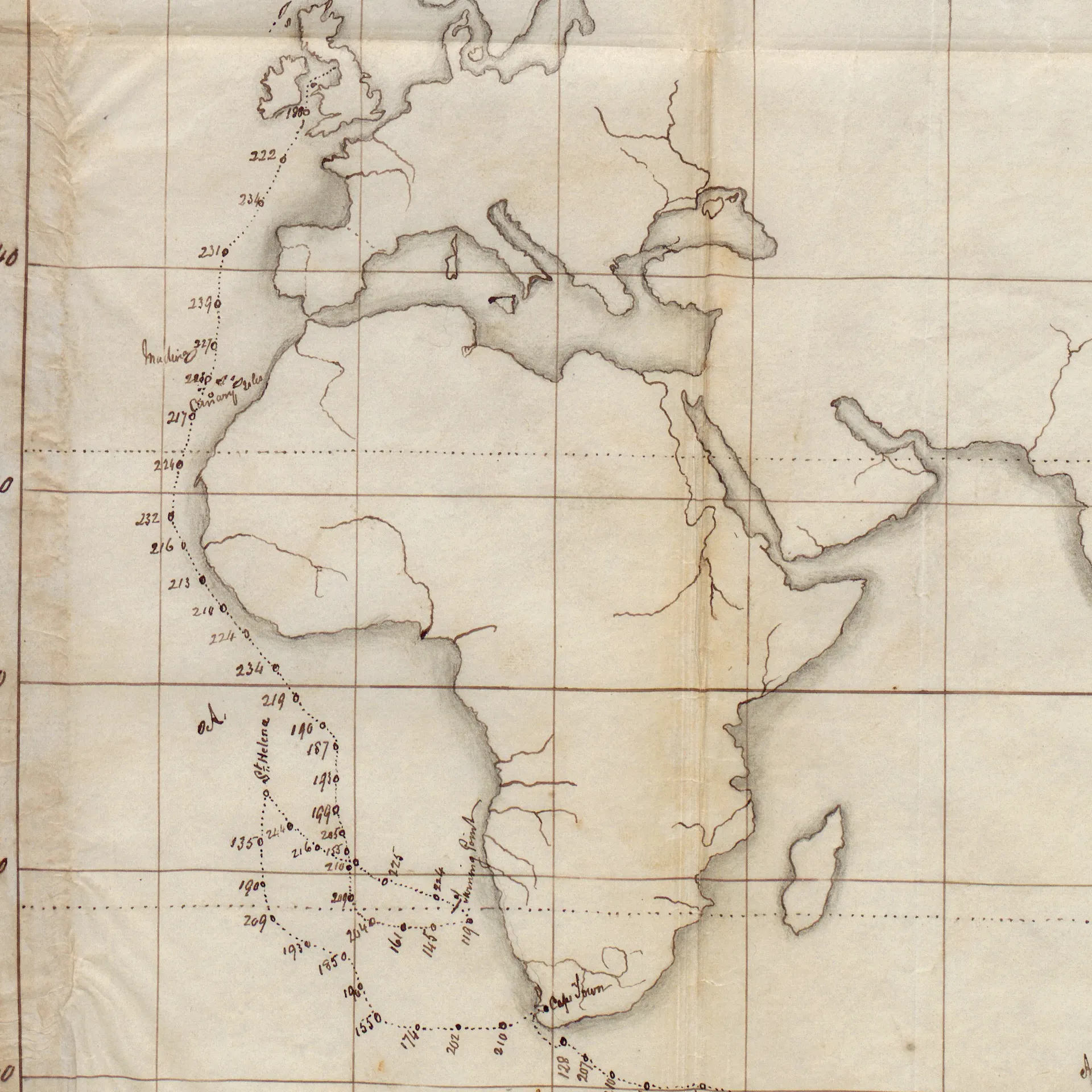
From the USA to Australia, India to the Falkland Islands, the SS Great Britain connected people and places across the world. During her remarkable working life, she carried thousands of passengers, crew and soldiers, as well as cargo, on journeys shaped by migration, trade, war and opportunity.
Today, their stories can be explored through passenger records, diaries, letters and photographs preserved by the Brunel Institute and brought to life in the New Museum at Bristol Dockyards.
Whether you're visiting from around the corner or across the globe, come and discover how the SS Great Britain's story connects with the place you call home. You may even uncover a connection of your own.
The Global Stories research project continues to uncover the experiences of people who travelled aboard and the changing nineteenth-century world they lived in.
Visiting from Bristol?
If you're from Bristol, the connection begins beneath your feet.
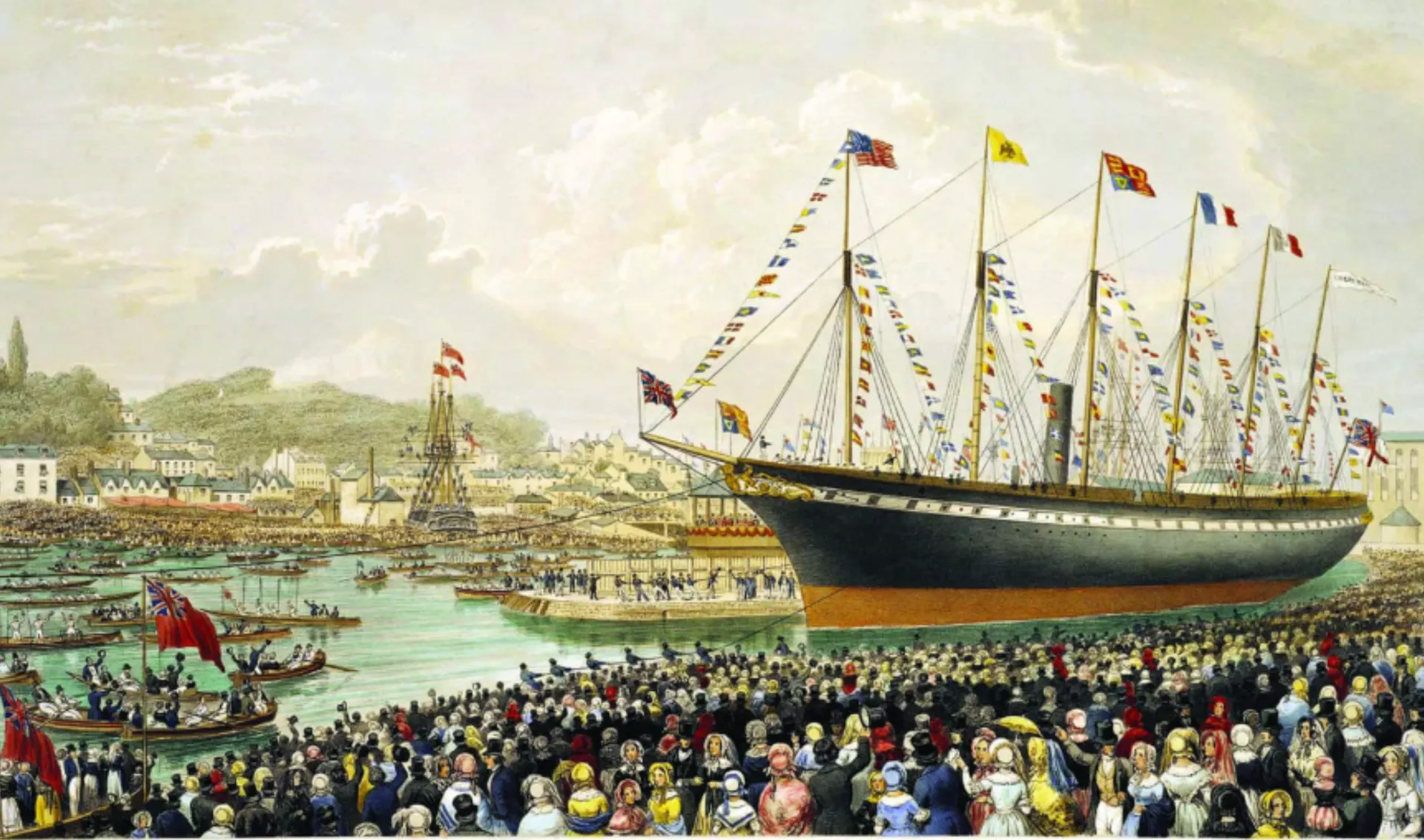
The SS Great Britain was built here and launched in 1843, bringing together shipbuilders, engineers and craftspeople to create the world's first engine-powered, metal-built, propeller-driven ship. She was the first modern ship.
Such innovation required new skills. Workers arrived from other metalworking regions of Britain, while local people learnt techniques such as shaping the iron plates used to build the ship. Their new expertise would help Bristol build a new generation of steamships.
Local people also financed the ambition. Shares in the Great Western Steamship Company were sold to residents and businesspeople in Bristol and Bath who hoped steam travel would help revive the city's trade.
Visit today and you can stand in the very dry dock where the SS Great Britain was built, discovering the people, skills and ambitions behind this extraordinary feat of engineering.
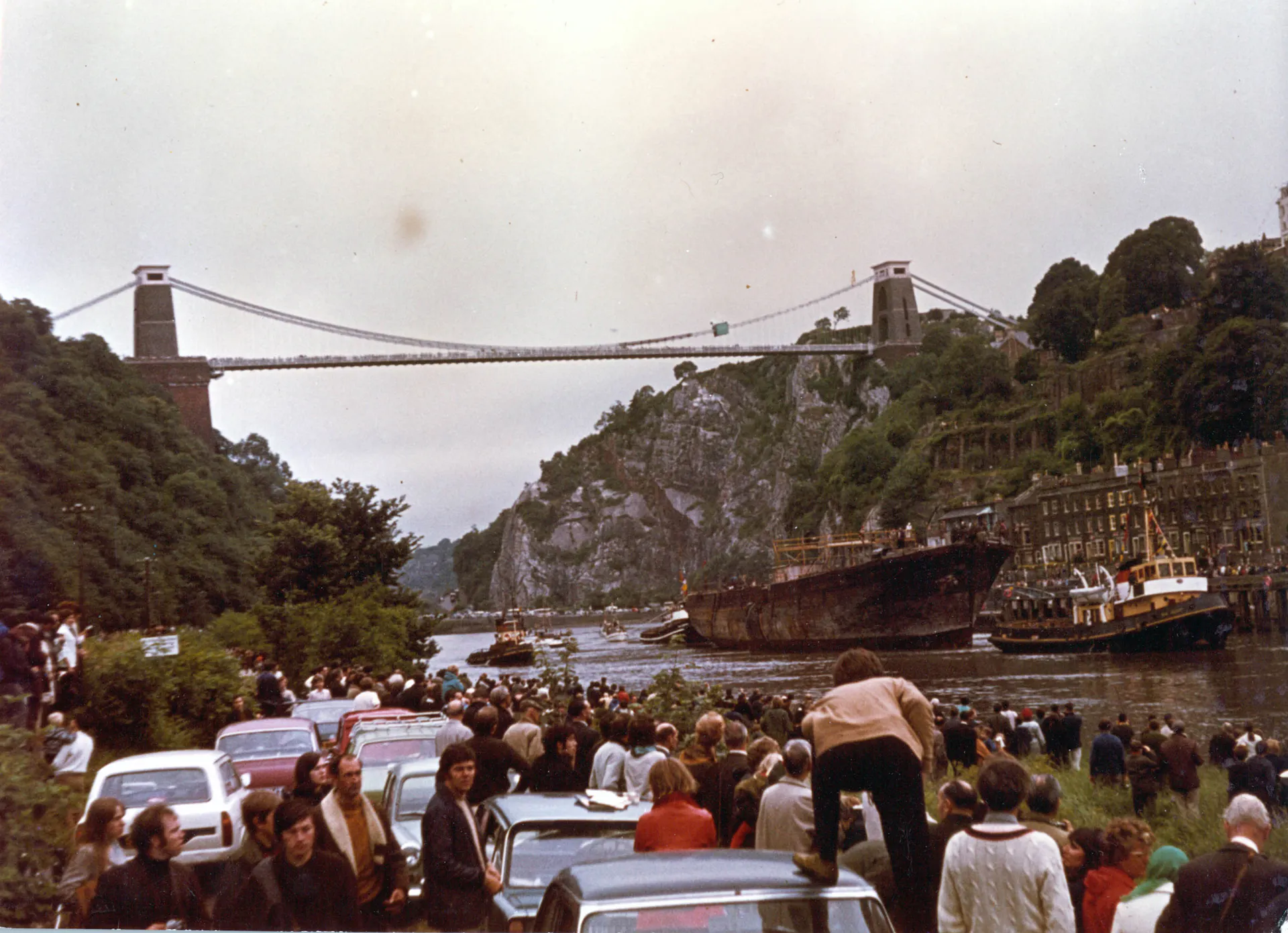
For many Bristolians, the SS Great Britain’s Homecoming is still within living memory. In 1970, crowds lined the harbourside to welcome the ship back to the city, following her remarkable journey from the Falkland Islands. Perhaps you remember her return or have family stories or photographs from the day. Today, you can see her back where it all began, in the dry dock where she was built.

Visiting from London?
If you're travelling from London, why not arrive by train and follow a connection almost 200 years in the making? You'll be travelling between two cities that Brunel and his contemporaries worked to bring closer together. Bristol Temple Meads is the nearest mainline station to Bristol Dockyards, and you can benefit from our National Rail 2-for-1 Adult Day Pass Offer.
During the early nineteenth century, Bristol was searching for ways to reverse its declining trade. One answer was the Great Western Railway, giving London faster access to Bristol and the Atlantic.
Once the railway received royal approval in 1835, Thomas Guppy and engineer Isambard Kingdom Brunel developed an even more ambitious idea: connect the railway with steamships and create a route across the Atlantic to New York.
The vision was revolutionary. The reality was more complicated.
Disputes surrounding Bristol's Floating Harbour frustrated the plans. After the SS Great Britain was completed in 1843, she remained in Bristol for two years before alterations to the harbour entrance finally allowed her to leave. Liverpool, then Britain's busiest port and passenger hub, would become her home port for most of her working life.
At Bristol Dockyards, you can delve deeper into these stories and discover how extraordinary engineering ambitions collided with commercial interests and the realities of a changing city.

Visiting from the USA?
The SS Great Britain was built in the 1840s to link the United Kingdom and United States. Offering the most spacious accommodation, luxurious dining and speed that was greater than any sailing ship, her Bristol builders hoped to revolutionise passages to New York. After just five initial journeys, the ship was taken out of service and later rerouted to Australia. However, the USA was always part of the ship’s story. Whilst the new generation of engine-powered luxury liners followed her prototype, the ship made several more journeys to New York in the 1850s, revisiting the developing wharfs of Manhattan as European emigration began to hit new peaks. After solely serving Australia in the 1860s and 1870s, the Great Britain then returned to the United States in the 1880s. Stripped of her engines and carrying huge cargoes under sail, she brought Welsh steam coal to California, to power new generations of ships on the Pacific Ocean. The pioneer had become supplier for a new era of ships.
From coast to coast, whether carrying the people or goods that powered the American economy, the SS Great Britain was a familiar site in the busiest docks of America. You can find passengers and crew who travelled on US voyages here.

Visiting from Australia?
Few places share a deeper connection with the SS Great Britain than Australia.
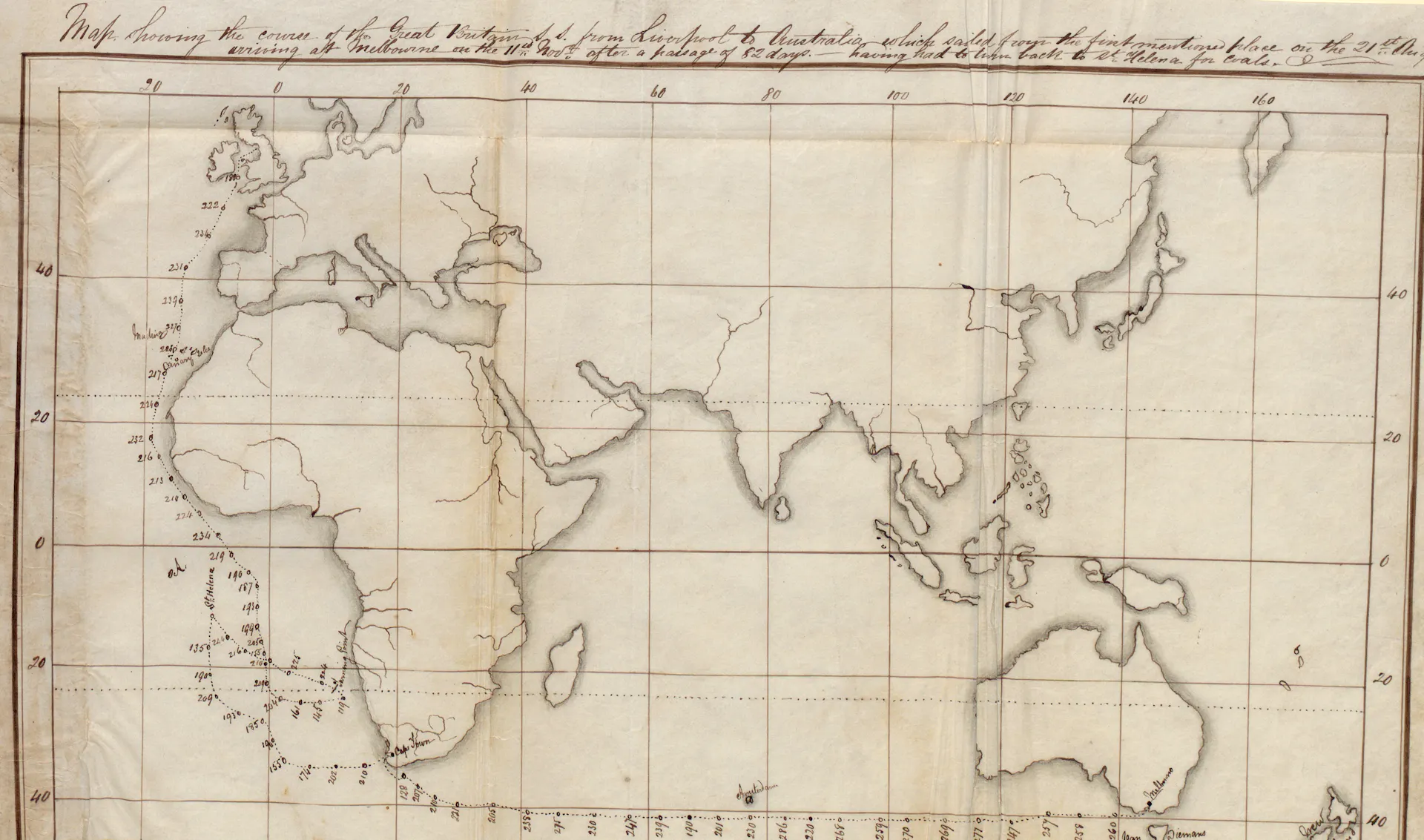
Following the discovery of gold in 1851, the ship was refitted and began carrying passengers from Liverpool to Melbourne in 1852. From 1859 she became the single constant link between the United Kingdom and Victoria, Australia.
By 1875, she had carried 15,885 people from Britain to Australia and 12,052 in the opposite direction.
Passengers travelled for many reasons: to seek gold, establish businesses, earn higher wages, join family or settle permanently. Life aboard differed dramatically according to what they could afford, from the private cabins and dining saloon of first class to the much simpler accommodation of third class.
But this history also sits within the wider story of British colonisation. Australia formed part of Britain's settler empire, and opportunities for British and European settlers existed alongside the dispossession of Aboriginal peoples from their lands and restrictions on their rights and freedoms.
In the new SS Great Britain Experience, discover the people and communities connected to these journeys. If you're visiting from Australia, explore the museum and our Global Stories Database to uncover familiar surnames, places and stories that may connect with your home town own family history.

Visiting from France?
The French connection begins with the Brunel family.
Isambard Kingdom Brunel's father, Marc Isambard Brunel, was born in France and left during the French Revolution before eventually building his engineering career in Britain.
His son went on to shape projects including the Great Western Railway, Clifton Suspension Bridge and SS Great Britain.
At our Being Brunel Museum, personal letters, drawings and possessions take you beyond the famous engineering achievements to discover their family life, ambitions, successes and setbacks.
It's a fitting reminder that the story of one of Britain's most celebrated engineers was itself shaped by migration and ideas crossing borders.

Stories of Service: From the Mediterranean and Black Sea to India
Not everyone boarded the SS Great Britain in search of a new life.
During the Crimean War (1854-56), the ship became a troop transport. She carried British troops to the Black Sea and then spent a year in the ports of the Mediterranean and Black Sea, carrying troops from France and modern-day Turkey in and out of the war.
She returned to military service following the 1857 rebellion against East India Company rule in India. Carrying soldiers including the 57th Regiment and 8th Royal Irish Hussars, she travelled via the Cape of Good Hope and reached India in 70 days.
These journeys reveal another side to the ship's global connections: Britain's empire and military power.
Explore these stories in the new SS Great Britain Experience Museum, and discover a history that goes far beyond engineering and passenger travel. Through stories of migration and opportunity, empire and conflict, uncover the very different experiences of the people and places her voyages connected.

Visiting from the Falkland Islands?
The Falkland Islands became the SS Great Britain's unexpected home for more than 80 years.
In 1886, while carrying coal to Panama, she was damaged in severe weather near Cape Horn and sought refuge in the Falklands. Deemed too expensive to repair, she remained there, later serving as a floating warehouse before eventually being abandoned.
Then, in 1970, an extraordinary salvage operation brought her across the Atlantic and back to Bristol.


Could your story be part of ours?
From Brunel’s engineering and the people who built the ship, to stories of migration, trade, empire and life at sea, explore the histories held across the site and discover where they might connect with your own.
So, when you visit, look a little closer. A familiar place, family name or shared piece of history could reveal your own connection to Bristol Dockyards.
Uncover more stories