A Surgeon’s Tale, 1857
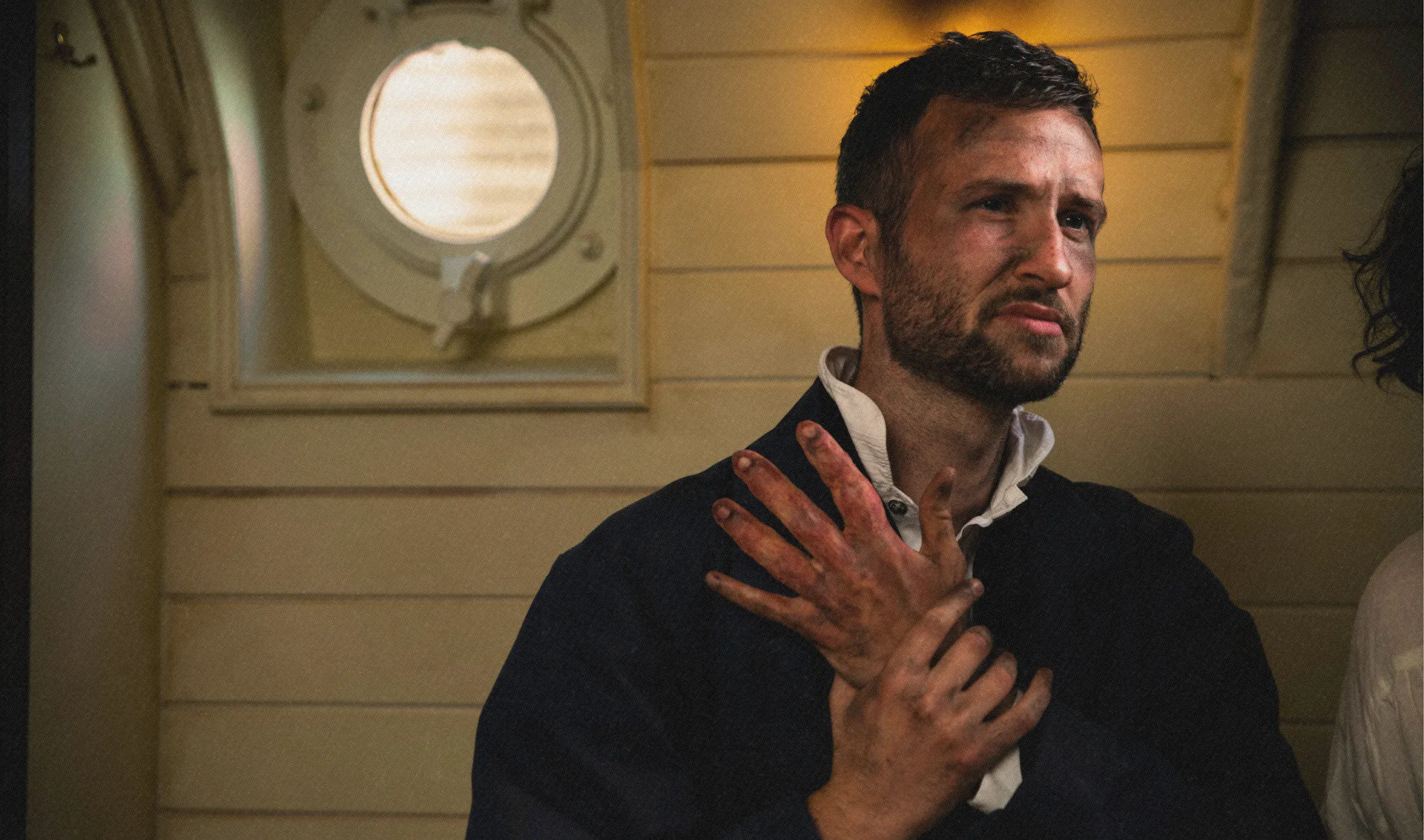
The Picture
In 1857, the SS Great Britain was sailing to and from Australia with ship’s surgeon Samuel Archer on board. During the voyage, Archer kept a diary describing daily life for himself, the passengers and the crew. The original diary is held at the National Library of Victoria in Australia, and we hold a full typed transcript in our collection.
As ship’s surgeon, Archer was responsible for the health of everyone on board. His duties ranged from removing teeth and preparing medicines to treating sickness and dealing with serious injury. Medical knowledge in the Victorian era was very different from today, and many of the treatments he describes are now unfamiliar.
Interestingly, only small sections of Archer’s diary describe medical work. Much of his writing focuses instead on the natural world—particularly the shells and sea creatures he collected throughout the journey.
Today, visitors to the SS Great Britain can explore a recreation of Archer’s first‑class cabin, where he worked, slept, and kept his medical supplies.
Illness and injury on board the SS Great Britain
During her 41‑year working life, the SS Great Britain carried more than 30,000 passengers and crew from many backgrounds and ages. Although the ship had a reputation as a healthy vessel, illnesses and injuries occurred frequently, and more than 140 deaths were recorded during her service.
Some diseases spread quickly in the crowded conditions of a Victorian ship. Measles, typhoid, and cholera all caused deaths on board. Smallpox was common during the period; however, the ship carried supplies of the vaccine, and only two deaths from smallpox were ever recorded.
The most common cause of death on the SS Great Britain was tuberculosis, known at the time as “consumption”, a highly infectious disease that affects the lungs.
Crew members experienced more injuries than passengers, since working the sails and rigging was physically demanding and often dangerous. During a hurricane, sailor George Green fell into a lifeboat while taking in the upper main topsail. He broke several bones and died instantly.
The role of a ship’s surgeon
Between 1852 and 1876, twelve surgeons served on the SS Great Britain. Some, like William Walsh, completed only a single voyage, while others, like Andrew Alexander, worked on several.
All ship’s surgeons were men, and most were young. Samuel Archer himself was just 21 years old when he began working on the ship. As passenger sea travel became more common in the mid‑19th century, many surgeons may have seen the role as an opportunity to explore the world while earning a living.
A surgeon’s responsibilities went far beyond treating illness. They oversaw hygiene on board, monitored the health and behaviour of passengers and crew, and ensured that living conditions remained clean and safe. They also focused particularly on the wellbeing of the crew: if sailors were unable to work, the ship’s journey could be delayed, costing the shipping company valuable time and money.
Each surgeon carried a medicine chest stocked with supplies for treating the sick. Although most modern medicines had not yet been developed, remedies such as laudanum (for pain relief) and vinegar (to kill germs) were commonly used.
Special thanks to Lottie and Lizzy for their work on this collection story, and Malcolm for his research into ship surgeons and the SS Great Britain.