How the SS Great Britain changed cricket history
As Bristol prepares to host six fixtures of the ICC T20 Women's Cricket World Cup later this month, there's another cricket story worth knowing: one that began aboard SS Great Britain over 160 years ago. In 1861, our ship carried the first All England cricket team to Australia on a voyage which would shape the sport forever.
A SPORTING FIRST
The SS Great Britain is well known as a ship of engineering firsts. At her launch in 1843, she was the world's first great ocean liner. Our archives held in the Brunel Institute hold records of another first – a sporting one.
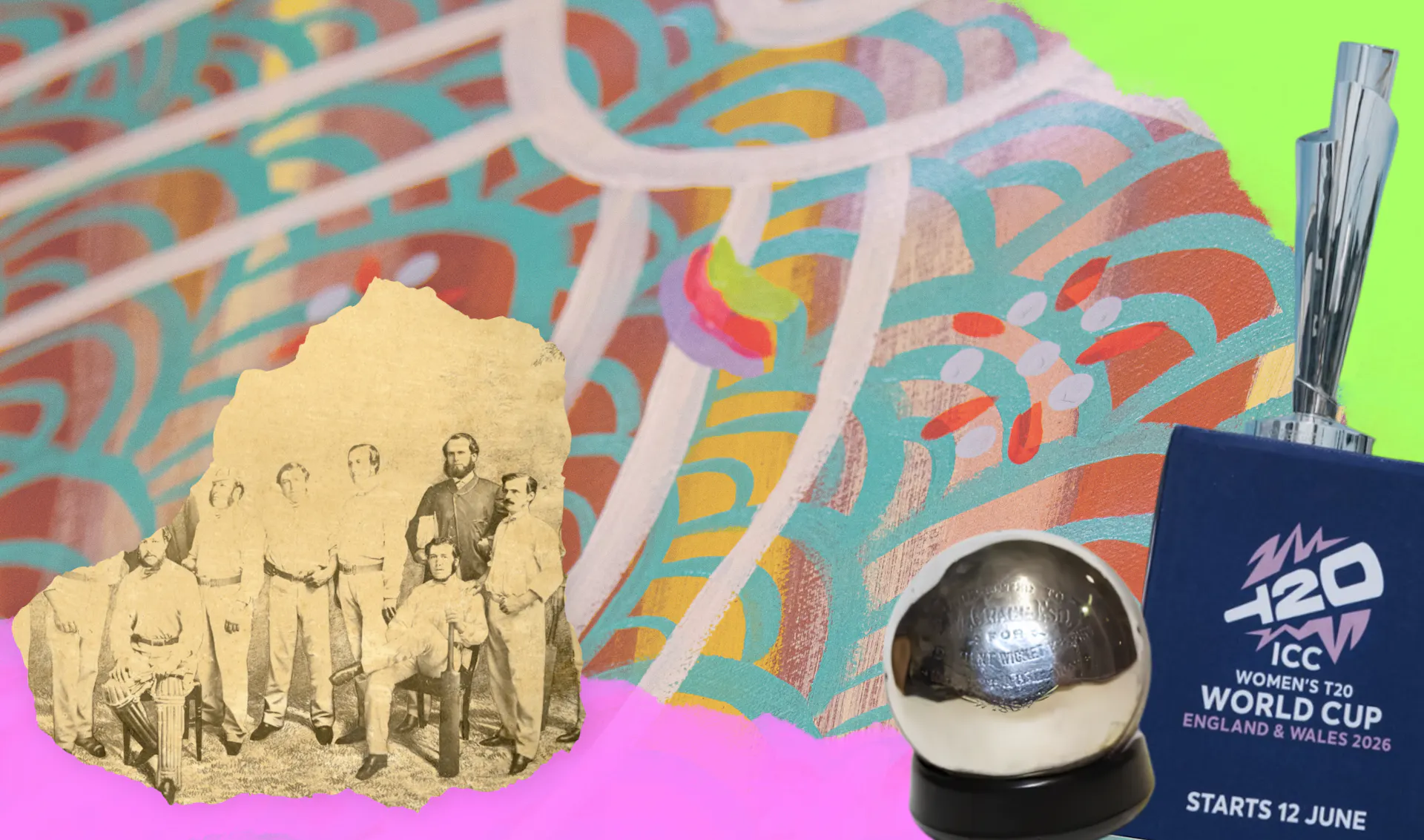
In 1862, a photograph was taken in Australia. It shows the first 'All England' cricket team to tour the country. SS Great Britain took them there in October 1861.
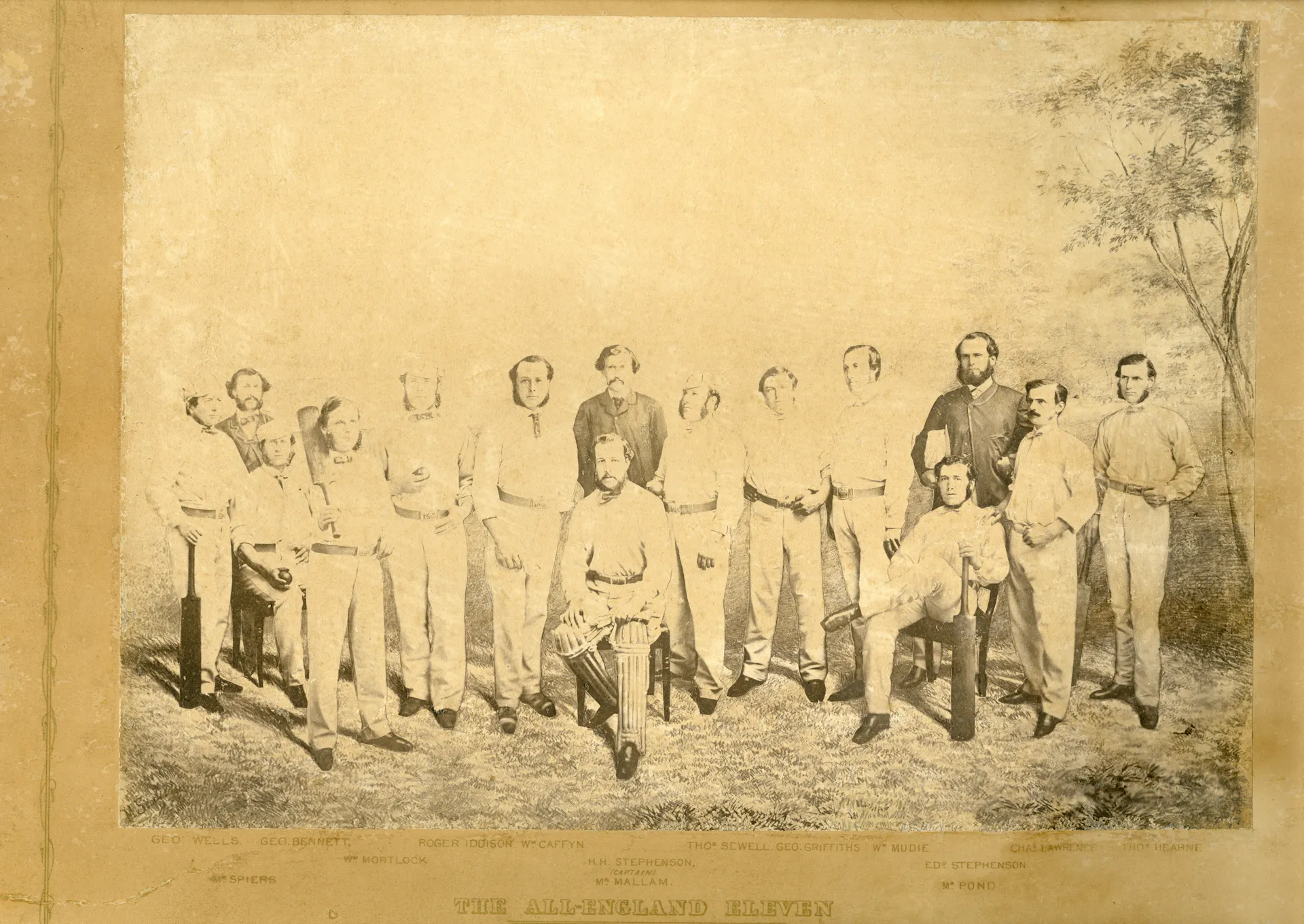
A TOUR FOR THE HISTORY BOOKS
The tour was the brainchild of two Melbourne-based businessmen: caterers and wine merchants Felix William Spiers and Christopher Pond. The sport was growing in Australia, so Spiers and Pond invited leading English cricketers to tour the country. Twelve men signed up, named 'The All-England Eleven'. Each player received payment of £150 (worth about £7,000 today), first class passage to Australia aboard the SS Great Britain, plus all expenses covered.
SS Great Britain left Liverpool in mid-October 1861. The two-month voyage was demanding, but the team arrived in Melbourne on 23rd December to a significant welcome. A quarter of the city's population watched their first match on New Year’s Day 1862. They won six games, drew four and lost two. Rumour has it the team blamed any poor performances on “bumpy grounds, gruelling journeys and champagne breakfasts”.
That tour created three sporting firsts:
- The first All-England cricket tour of Australia
- The first commercially sponsored sporting tour
- The first use of the term 'test match' to describe the games
THE MAN WHO STAYED
The tour's success sparked Australia's enduring passion for the game – partly due to a decision by player Charles Lawrence to stay behind. Lawrence married in Australia and dedicated his life to developing the nation’s affiliation with the sport. He went on to coach the historic 1868 Indigenous Australian cricket team, as well as the 1878 Australian team who became the first to beat England.
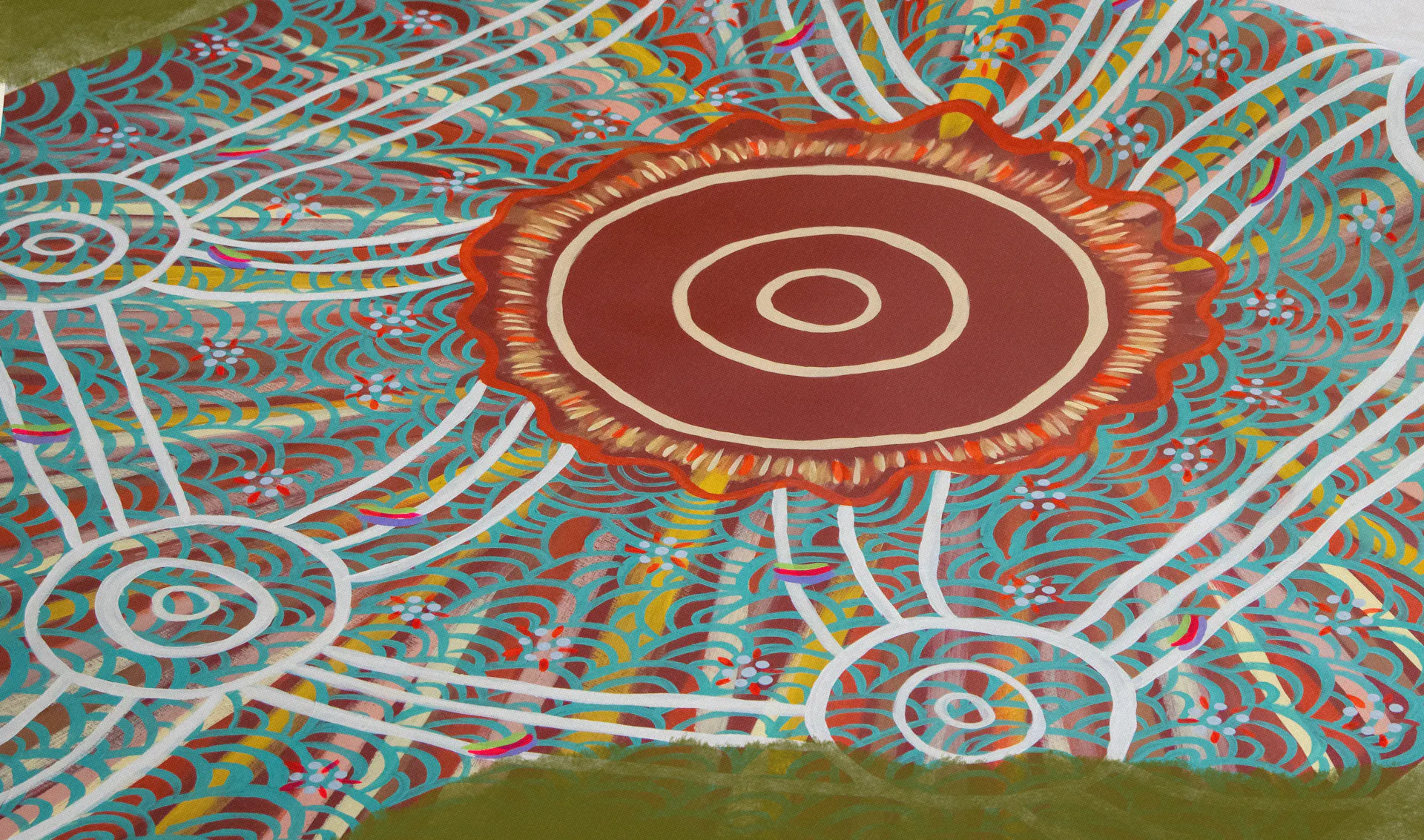
Lawrence is remembered as "the Father of Australian Cricket" - a legacy that began when he boarded SS Great Britain in Liverpool in 1861, and lives on through the work of Aboriginal artist Fiona Clarke.
Fiona comes from the Gunditjmara and Khirrae Whurrung nations, and her ancestors were mentored by Lawrence when they played for the Indigenous Australian cricket team. Fiona was commissioned by Bristol Dockyards to create a piece of art for our new museum, opening in July. Her stunning painting features motifs of migration, return and safe passage as a nod to her ancestors place in cricketing history.
BRISTOL ROOTS
The ship's cricket heritage also runs deep locally. Among our collection is a commemorative cricket ball awarded to Bristol-born cricketing legend E.M. Grace in 1864. Grace travelled aboard the SS Great Britain for the England team’s second tour to Australia in 1863. This object will be on display in our new museum's Australia zone - charting the ship's voyages and the people connected with that era of her life.
FROM 1861 TO 2026
Bristol's connection to international cricket spans more than 150 years. As fans gather at Bristol County Cricket Ground this month to watch the Women's T20 World Cup, they'll be part of a story that the SS Great Britain helped to write.
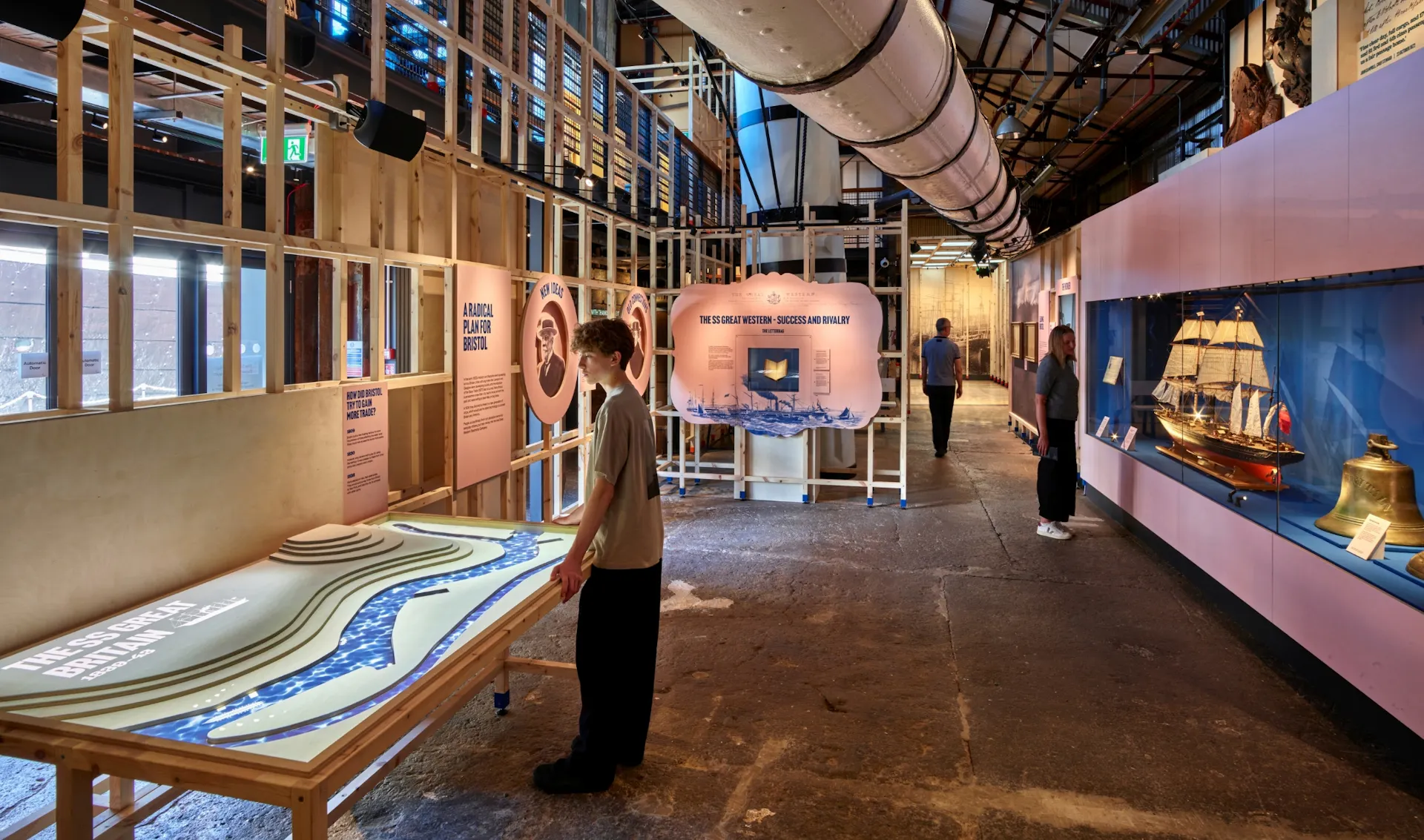
See Fiona Clarke’s commissioned artwork and the E.M. Grace commemorative cricket ball in our new museum, opening its doors on 18th July 2026.