How do you decarbonise a dehumidifier?
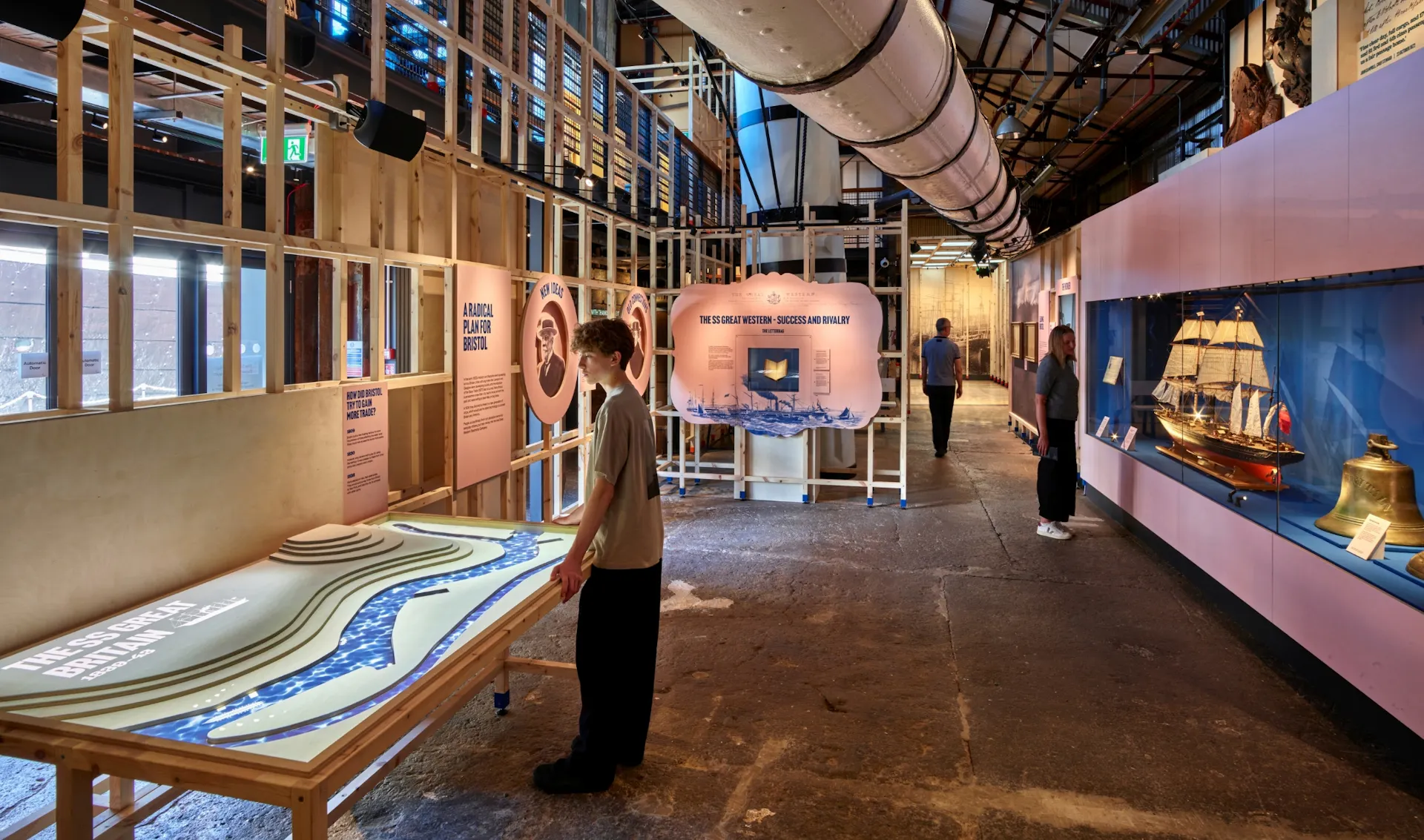
Conserving the SS Great Britain
To protect the SS Great Britain from rust, we carefully control the air around the ship in its original Victorian dry dock. By keeping the air very dry, we prevent the iron structure from deteriorating.
We do this using two custom-built dehumidifiers, which dry the air using heat and a special drying material (called a desiccant).
This system works well, but it uses gas, which produces carbon emissions. So we’re now exploring how to make it more sustainable.
Building on what we’ve already achieved
Our recent work has already made a big difference and builds on our previous award-winning work to better understand the way our drying system works and add energy-saving technology.
By doing this, we’ve reduced energy use by around 25%.
Now, we’re looking at whether we can replace our gas-powered system with a lower-carbon alternative.
Why not just switch to electricity?
When our system was first designed, a big share of the UK’s electricity came from coal. At the time, installing gas burners directly in our dehumidifiers was a more environmentally friendly way to solve our unique conservation challenge than a system using lots of electricity generated from coal.
Today, the picture has changed. Electricity is increasingly generated from renewable sources like wind and solar, making it a much greener option than gas.
However, electricity is still more expensive. A simple switch from gas to electric heating wouldn’t be affordable at the scale we need to stop the ship from rusting.
Could a heat pump be the answer?
A possible way to solve this problem is with a heat pump.
Instead of generating heat, a heat pump can move heat from a cooler area, making it even colder, to a warm area making it even warmer. This works in the same way as a fridge, which makes the air inside colder by heating up the air outside.
A heat pump could take heat from the ship, dry dock and even outside, and use it to create the hot conditions needed for our desiccant to operate. Better still, a heat pump can move up to 4 or 5 times as much heat as the electricity needed to power it, making it much cheaper and more energy-efficient than an electric heater.
The challenge is space. Our dry dock and ship have very limited room for new equipment, so we need to find a way to make this work within tight constraints.
Changing the design of our custom drying system to use a heat pump is a big challenge, since the ship and dry dock have very limited space available for big equipment. So, to make this change possible, we need to do two things:
- Make all other parts of the system as efficient as possible, so we can use the smallest possible heat pump.
- Devise a way to fit the new equipment into the limited space available in the ship and dry dock, while re-using as much of our other existing equipment as possible.
What we’re doing now
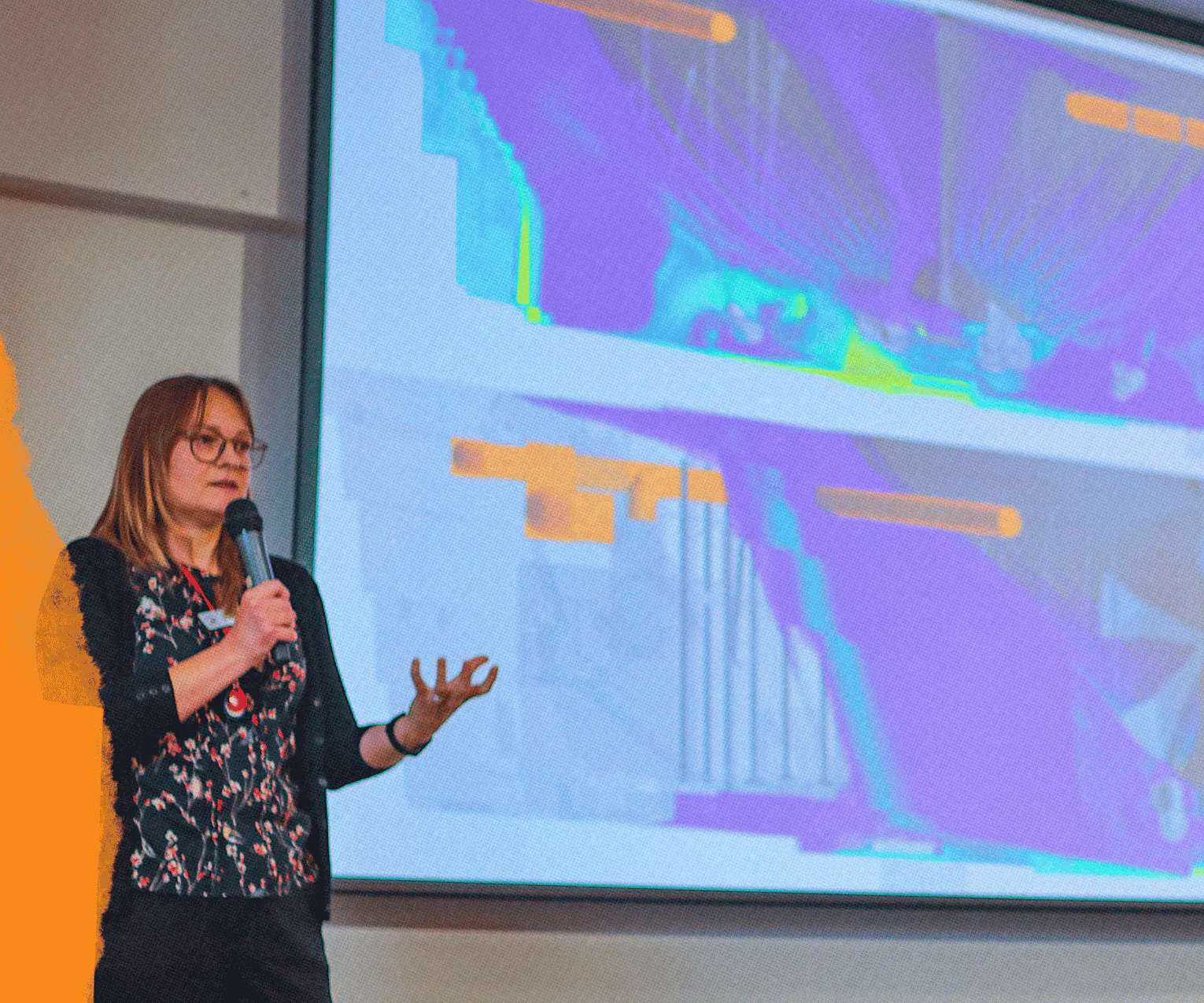
The project we’re working on now is exploring ways to achieve this. Thanks to expert advice funded by the Bristol City Leap Community Energy Fund, we have created a computer model of the dry dock dehumidifier. This technique uses data collected in the dehumidifier to calculate how energy and moisture move through the space. The results from this work have helped us plan our next steps:
- Upgrade the sensors inside the dehumidifier. Our work so far has included upgrading the sensors around the ship and dry dock, giving new information about the flow of dried air and contributing towards the 25% energy savings we have already achieved. We are now looking more closely at the sensors inside the dehumidifiers. The computer model revealed that some of these sensors are not in the best locations to measure important parts of the air flow correctly. We will move these sensors, and install some new ones, to give us better data for future calculations.
- Experiment with different temperature settings. It will be easier to make the new equipment smaller if we can run the drying part of the dehumidifier at a lower temperature. Our previous work has lowered the temperatures a little bit, the next step is to experiment with other settings like air flow rates, to see if these temperatures can be reduced even more.
- Keep the dry dock walls and floors as dry as possible. The historic dry dock is a listed structure and it’s not possible to completely stop water from the harbour leaking into the dock. But by using pumps, pipes and gutters we can control where the water goes and stop it from making puddles near the ship. Less water near the ship means less work for the dehumidifier to keep the iron dry.
- Fine-tune the air flows around the dry dock. Air from the dehumidifier needs to reach all parts of the ship’s hull to stop rust. We aim for an average of 20% relative humidity, but our new ship and dry dock sensors show that the humidity can range from 15-25% in different parts of the ship. We are aiming to make this more even by adjusting the amount of air flowing in each direction as it leaves the dehumidifier.
What happens next
Once we have completed these steps, we can move on to the next stage of the project, to design a system which keeps the ship safe in a more environmentally friendly way. We are grateful to Bristol City Leap Community Energy Fund, Julie’s Bicycle, the University of Bristol, and Ray Daniels for supporting this important work.
Support our decarbonisation journey
As a registered charity, we rely on support to continue this work.
Help us protect the SS Great Britain — and make conservation more sustainable for the future.