International Women in Engineering Day
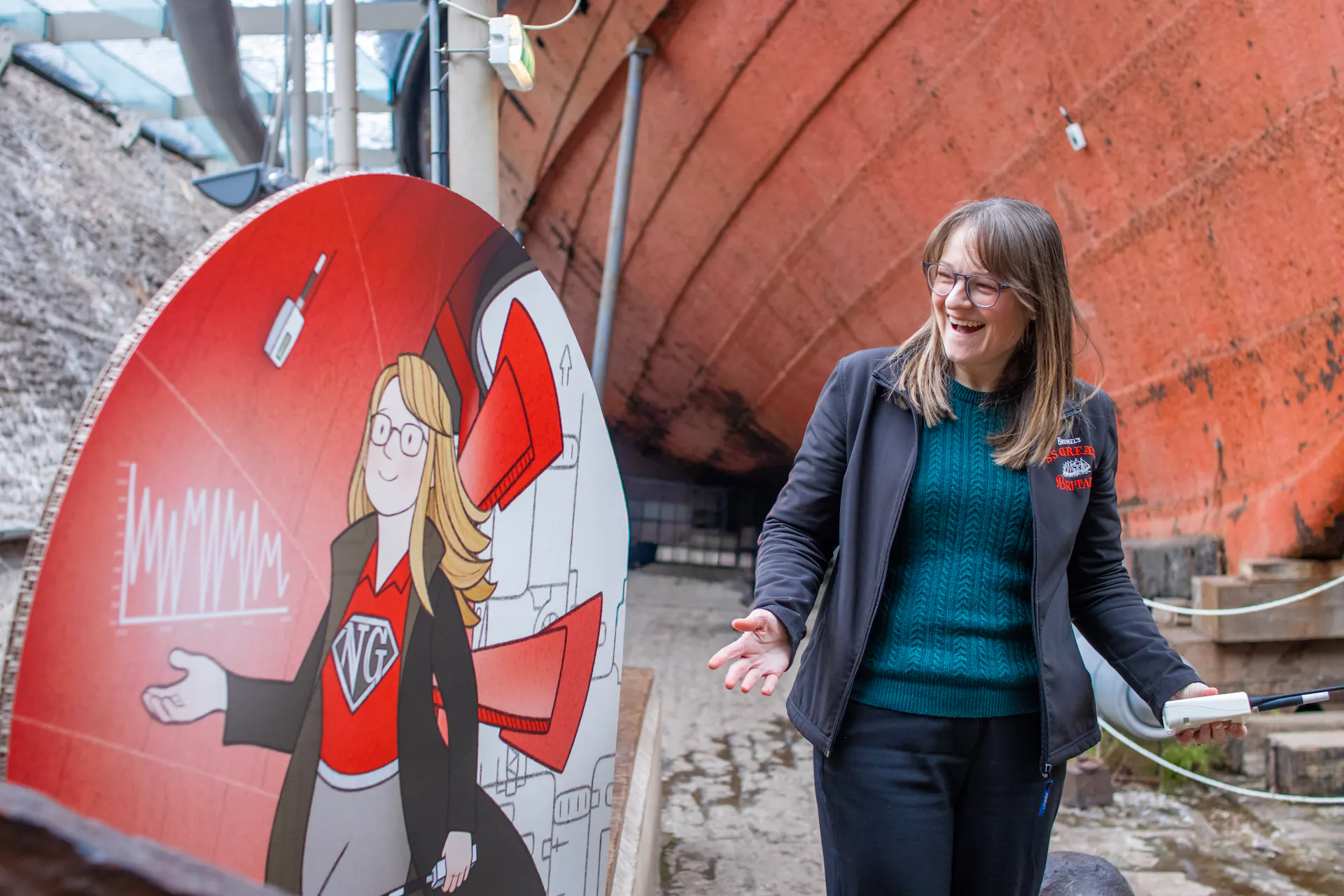
Every year on 23 June, International Women in Engineering Day (INWED) celebrates the outstanding achievements of women engineers around the world and shines a spotlight on the opportunities engineering creates for future generations.
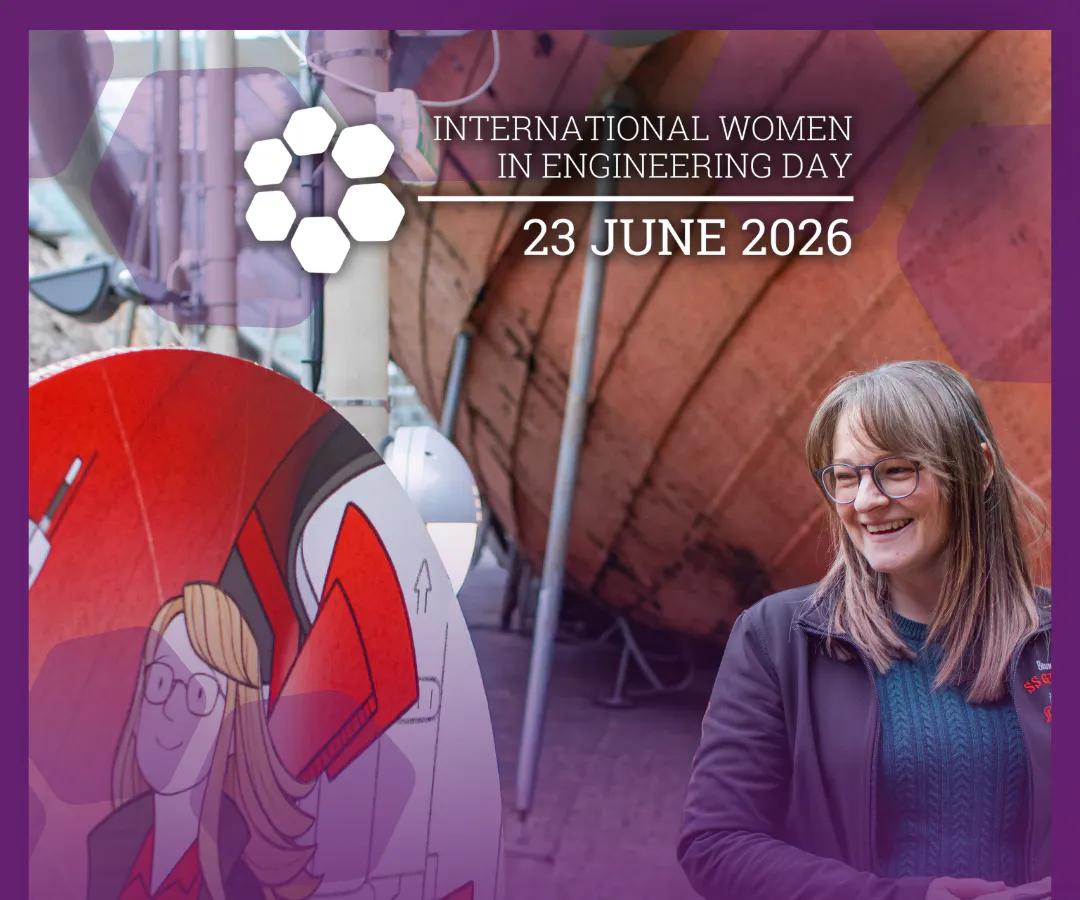
This year we are highlighting the work of our Conservation Engineer at Bristol Dockyards, Nicola Grahamslaw, who plays a key role in conserving one of the UK’s iconic historic ships, while helping the museum move towards its goal of becoming carbon neutral by 2030. This work has included upgrading sensors and software, retro-fitting energy-efficiency improvements (cutting emissions by around 30% in some areas), and refining performance using new data and insights.
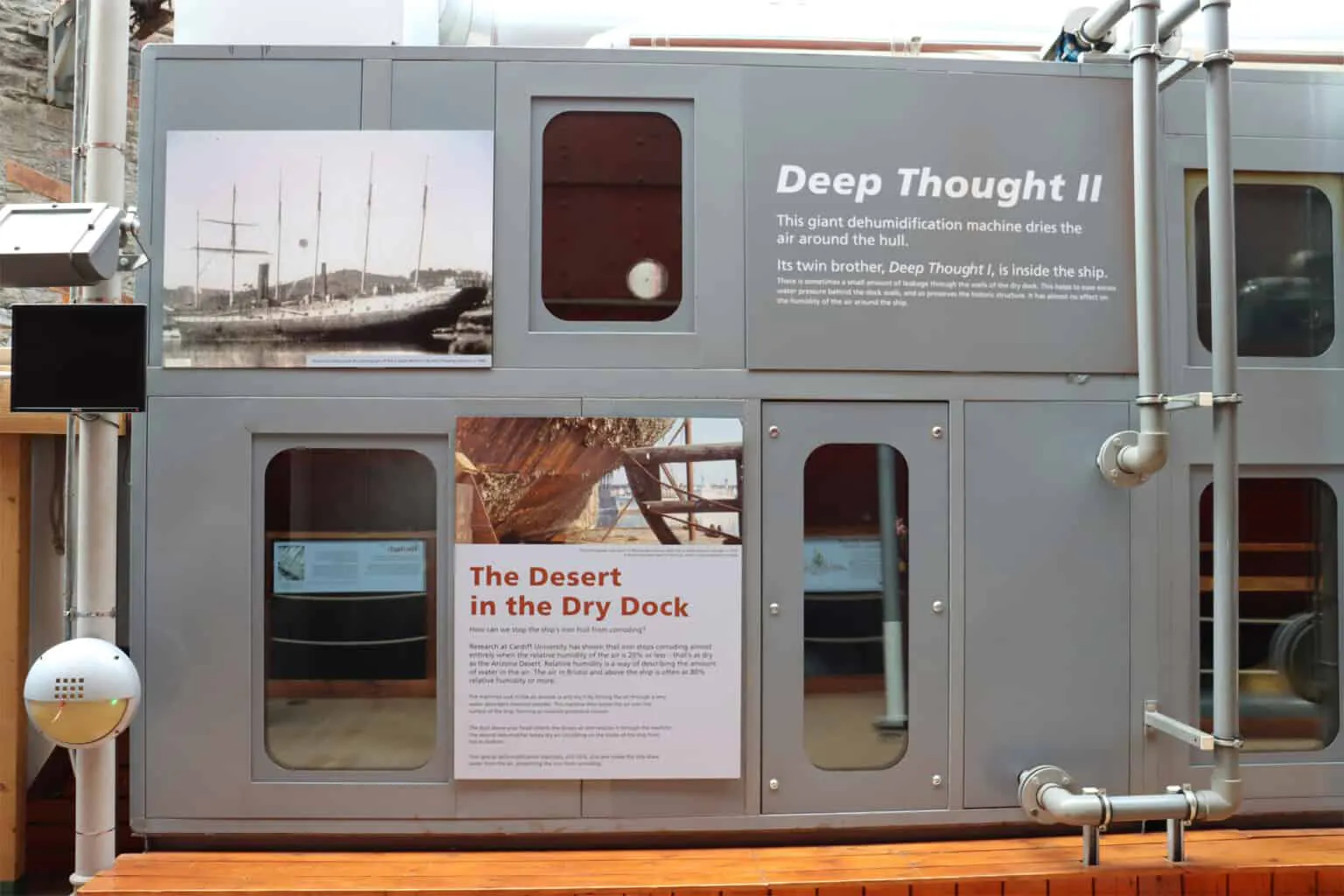
"Although many museums use air conditioning to keep fragile objects in controlled environments to stop them degrading, our system needs to maintain more challenging conditions than most. Our two custom-built dehumidifiers, installed in 2005, create a layer of air around the ship at 20% relative humidity – that’s as dry as the Arizona Desert."
Circulating dried air to all the most vulnerable parts of the ship is a huge challenge – the fans that move this air are responsible for almost 50% of our organisation’s electricity consumption. Upgrading these fans to use newer technology, installing heat recovery systems, and making data-driven performance improvements has reduced the gas and electricity consumption of our conservation by over 25%. In 2023, we were awarded Sustainable Project of the Year joint winner at the Museums + Heritage Awards, and we are now continuing to work towards completely decarbonising the conservation systems for the SS Great Britain.
Nicola’s work continues to explore ways of achieving this ambitious goal, researching and planning how our conservation systems could be adapted to run using 100% renewable electricity, removing the need for fossil fuels from our site.
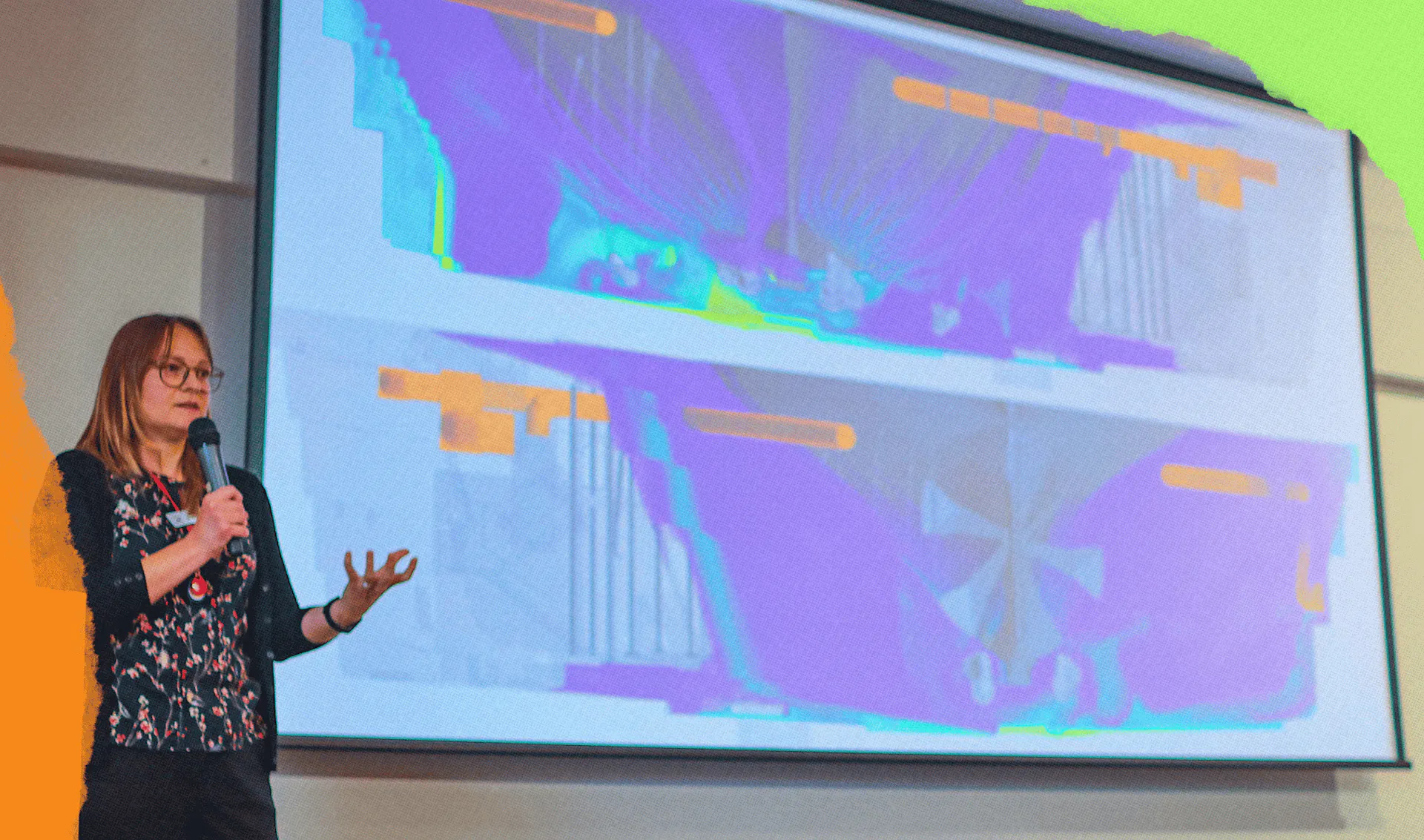
The project we’re working on now is exploring ways to achieve this. Thanks to expert advice funded by the Bristol City Leap Community Energy Fund, we have created a computer model of the dry dock dehumidifier. This technique uses data collected in the dehumidifier to calculate how energy and moisture move through the space. The results from this work have helped us plan our next steps:
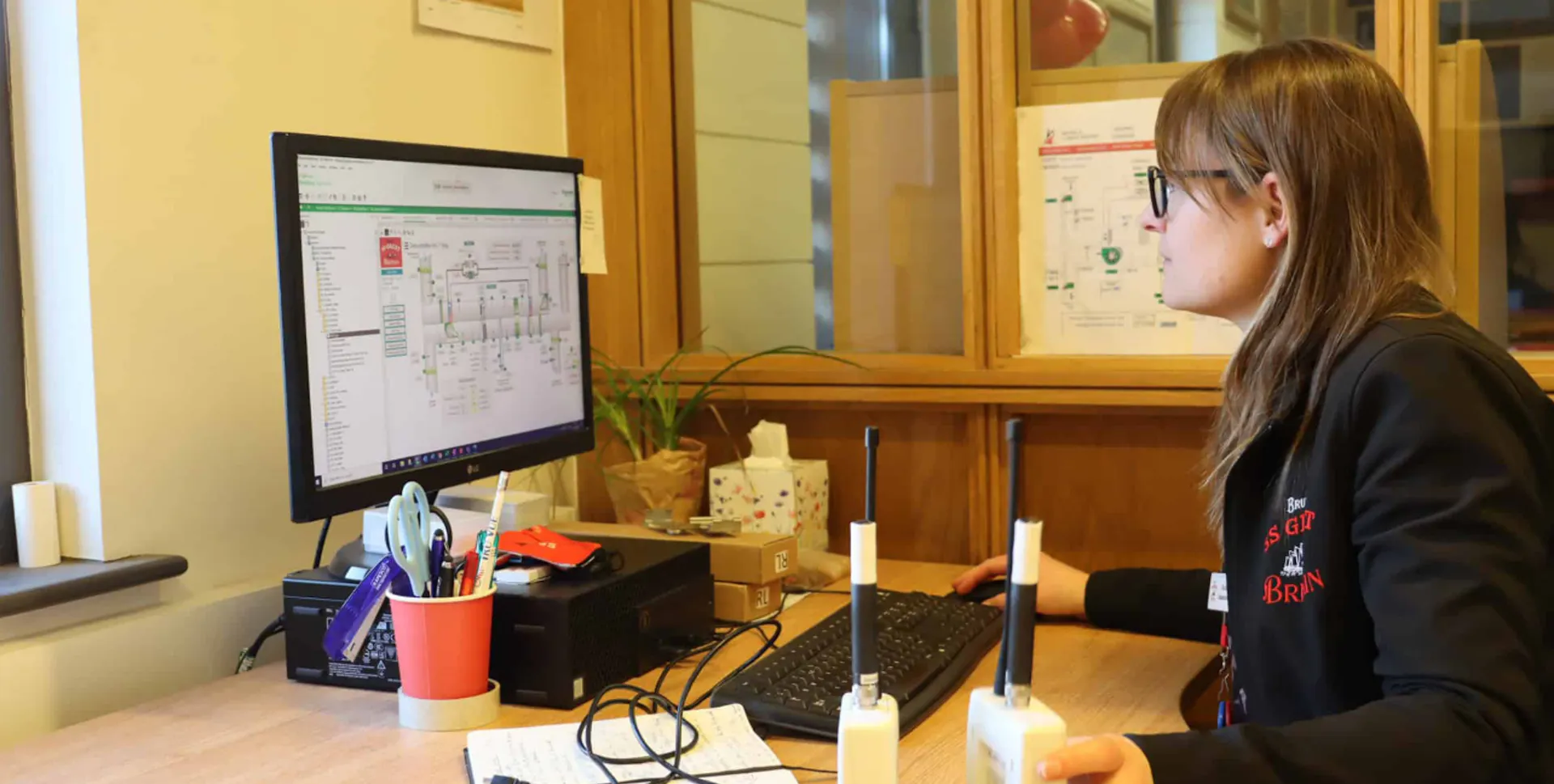
"One of the things I love most about engineering is seeing technology developed for one industry being used in another. It makes the job really interesting because you never know where you’re going to find inspiration."
"The industry is working on promoting role models for young women and it’s important to address the reasons why women are so much less likely to succeed in STEM subjects. This has nothing to do with biology or differences in the brain – it’s because society imposes gender stereotypes on children right from birth. Why shouldn’t boys play with dolls or girls wear clothes with spaceships on? I’d encourage anyone who wants to make a difference in this area to support the ‘Let Toys Be Toys’ campaign. My own volunteering also includes speaking in local schools, mentoring young engineers, and working with the Women’s Engineering Society which provides a support network for women STEM professionals."